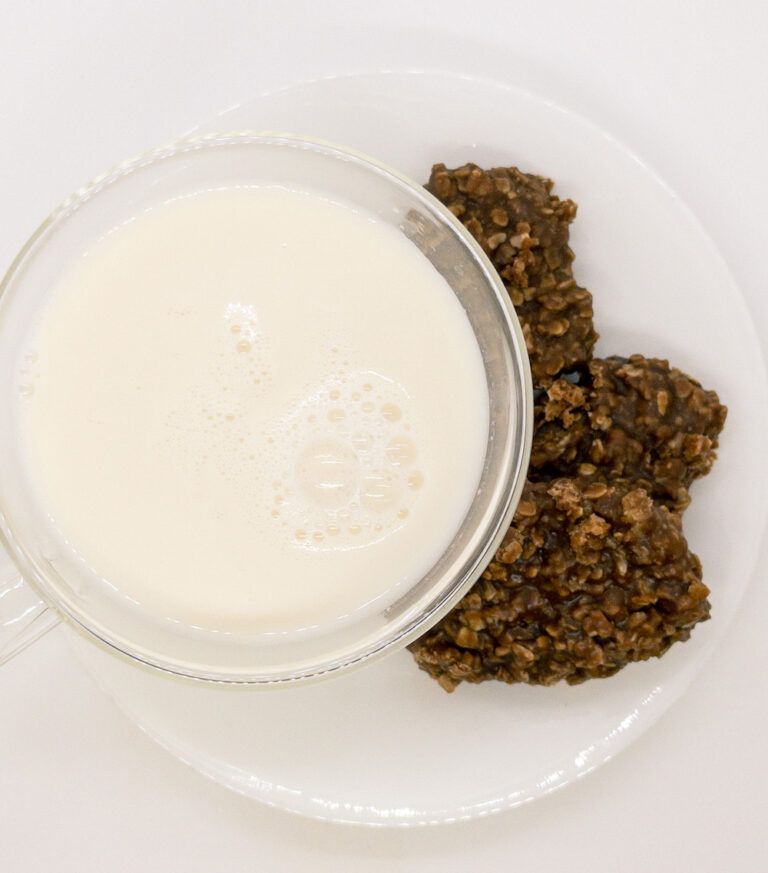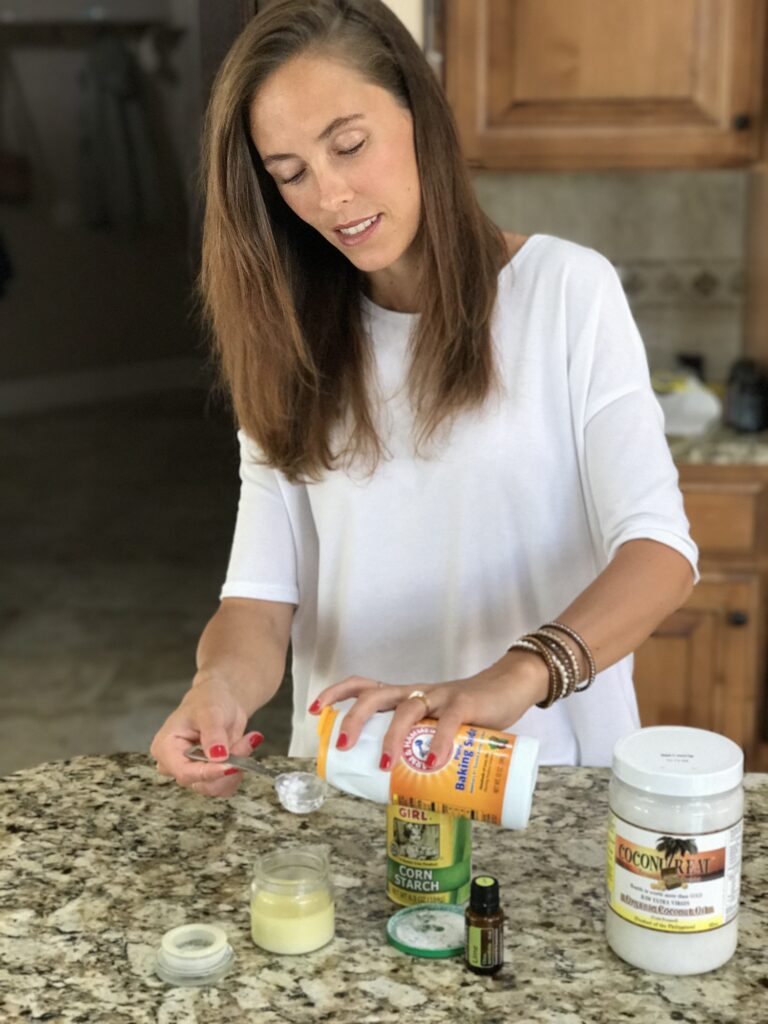
Bloating, food reactions, low energy, skin that flares out of nowhere… so many of these trace back to the gut. Here is my leaky gut protocol: what I have people check first, the foods to take out, and the simple things I add back in to support a strong, healthy gut lining. This is the same plan I walk my clients through.
What Is Leaky Gut?
Your gut lining is a thin wall, only one cell thick, that decides what gets into your bloodstream and what stays out. When that wall gets irritated and inflamed, the tiny spaces between the cells can loosen. That is what people mean by “leaky gut” (you will also see it called increased intestinal permeability). Bits of food, bacteria and toxins can slip through, and get directly into your bloodstream and then your immune system reacts.
That reaction does not always stay in your belly. Many people notice it in other places first:
- Bloating, gas, constipation or loose stools
- New food sensitivities, or reacting to foods you used to eat just fine
- Skin flares like eczema, rashes, acne or rosacea
- Brain fog, tiredness and low energy
- Seasonal allergies that keep getting worse
- Achy joints
The gut and skin connection: If you are dealing with eczema, look at the gut. Instead of only treating the skin from the outside with creams and lotions, I support the gut from the inside, and so many people see their skin calm down as their gut heals.
Step 1: Find the Root Cause
Leaky gut is usually a sign that something else is going on. Before you start adding things in, find out what is irritating the gut in the first place. These are the things I have people check:
1. Allergies and sensitivities. Get tested, or see if a holistic office near you offers NAET (Nambudripad’s Allergy Elimination Techniques) this can help find what you are sensitive to and get the body not react to it. And look at food list below.
2. Low-grade infections. These are tests you can do with your doctor or a blood panel testing company:
- EBV (Epstein-Barr virus). Ask for the full panel: VCA IgM, VCA IgG, EBNA (Epstein-Barr nuclear antigen) IgG, and Early Antigen (EA) IgG. In my experience, if two or more come back positive, or the numbers are high (I look for over 150), EBV is likely part of the picture. Talk with your practitioner about your results.
- Strep. A throat swab only shows strep that is in your throat right now. To see if strep has been lingering in your body, ask for a strep blood test: the ASO titer (antistreptolysin O) and the anti-DNase B test. Learn more about strep in my strep throat home remedy post.
- SIBO (small intestinal bacterial overgrowth). This is usually an easy breath test with instant results.
- H. pylori. A breath, stool or blood test. If you always have stomach pain, get checked for this one.
- Mold and fungus, including candida. See my candida cleanse protocol for the at-home spit test.
- Parasites. Usually a stool test. See my parasite cleanse protocol.
3. Low stomach acid. Rule out hypochlorhydria (low stomach acid) and achlorhydria (no stomach acid). Without enough acid, food is not broken down well, and it leaves the stomach half-digested and irritates the gut further down. Plain celery juice on an empty stomach for several months can support balancing this.
Step 2: Take Out What Is Damaging the Gut
- Work with your doctor to wean off antibiotics, NSAIDs (non-steroidal anti-inflammatory drugs like ibuprofen) and steroids when you can. All of these can wipe out good gut bacteria and wear on the gut lining. Never stop a prescription without talking to your doctor first.
- Manage your stress. Learn how your body handles stress, find a technique that works for you, and do it every day. Stress goes straight to the gut. Try my simple meditation steps or emotional first aid.
- Get enough sleep. Your body does its repair work while you sleep. Here are my natural sleep aids.
- Try intermittent fasting. Giving your gut a rest for about 24 hours can be very helpful. More in my daily maintenance and fasting post.
- Sweat it out. Go to the sauna and let your body sweat out toxins. Wipe off with a towel after so it does not dry back onto your skin.
Step 3: Do a Food Removal for 3 to 6 Weeks
Start with a food journal. Write down what you eat and how you feel after. Then ask yourself: What do I crave when I am stressed? What food do I eat the most? Those are often the foods to look at first.
Next, take out the most common problem foods for 3 to 6 weeks:
- Gluten-containing grains (wheat, barley, rye)
- Milk and dairy products
- Soy
- Eggs
- Nuts
- Corn
- Shellfish
- Sometimes the nightshade family: tomatoes, potatoes and peppers
- Cut out all sugar is important because that feeds the bacteria or whatever infection you have. Stay off even natural sugars like fruit, maple syrup, honey for a couple months when you are doing a reset.
Gluten and dairy are the two biggest ones. After the 3 to 6 weeks, bring foods back one at a time, a few days apart, and watch your journal for bloating, skin flares, headaches or changes in energy.
Step 4: Add In Foods and Supplements That Support the Gut Lining
- Probiotics and fermented foods to build up the good bacteria. I like Enzymedica Pro-Bio, or try Natures Probiotic from the Vibrationality Shop. Read more about probiotics, your second immune system.
- Prebiotics to feed the good bacteria: burdock, dandelion root and chicory root.
- Bone broth to support the gut wall. Make it yourself, or pick some up from a pho or fresh ramen restaurant. Miso soup is also great is re building the gut, look at the recipes and other food options on my Intuitive Eating post.
- Vitamin D. I use Biotics Research Bio-D-Mulsion Forte (D3 liquid drops).
- Zinc, vitamin C and vitamin A to help build the gut wall. I like the Vimergy and Global Healing brands. Here is why I choose whole food vitamin C.
- Magnesium. I like the Biooptimizers brand.
- Good fats and omegas. Take an omega supplement, or eat avocado, coconut oil and flax seed oil.
- Digestive enzymes with cooked meals to take the load off. Here is how digestive enzymes changed my life.
Step 5: Calm the Inflammation
These herbs are traditionally used to calm the inflammation that wears down the gut wall and keeps the immune system on high alert. Take them as a tea, capsule or tincture:
- Turmeric
- Licorice root
- Yarrow
- Chamomile
- Rosemary
Aloe vera juice. Make sure it is made from the inner gel of the aloe only, with no skin. The skin of the aloe is a stimulant laxative. if you get it in a bottle make sure there or no additives likeCarrageenan.
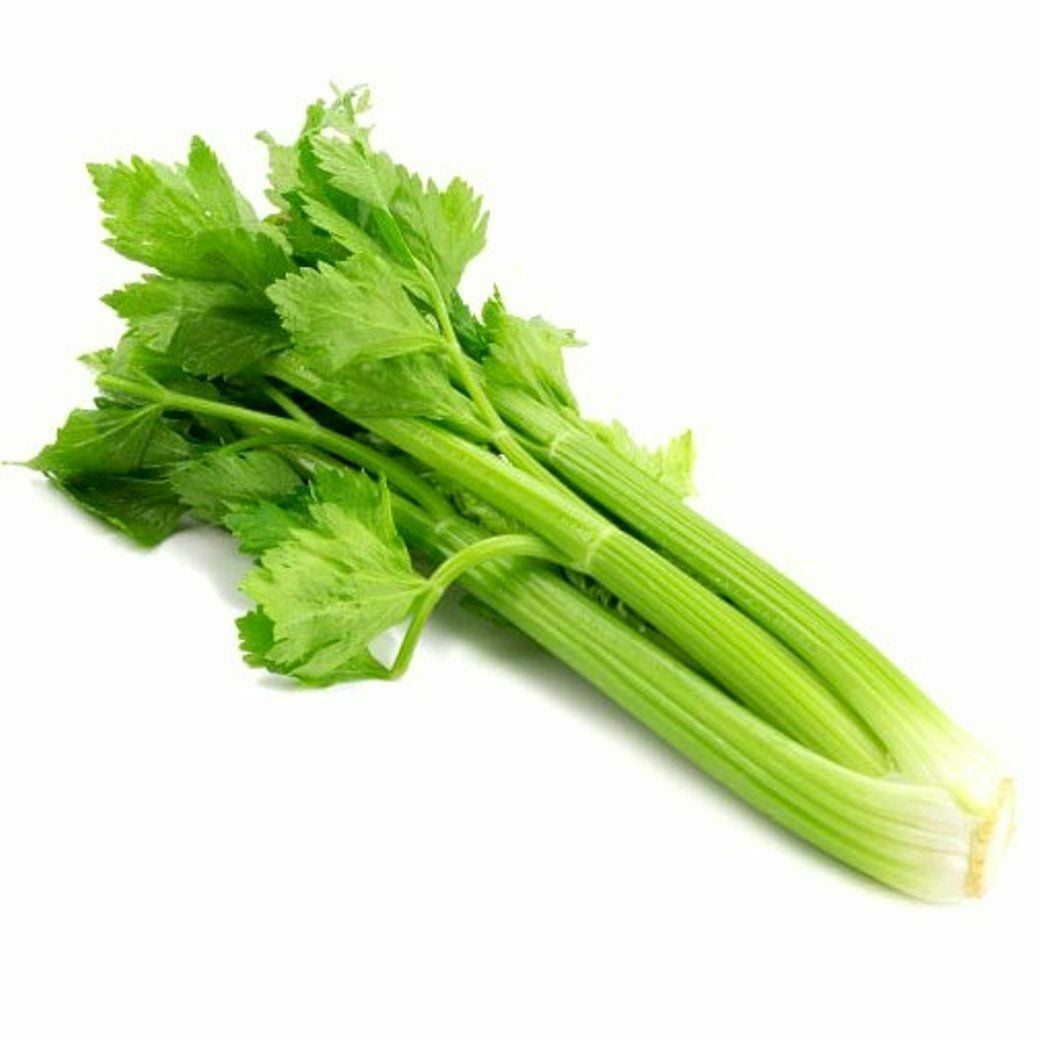
Celery juice. Drink 8 to 16 oz of fresh celery juice first thing in the morning on an EMPTY stomach. Do not mix it with anything else, and wait 30 minutes before you eat the next thing.
Tips and What to Expect
- The gut lining renews itself quickly, but healing takes consistency. Give it at least 3 to 6 weeks, and often a few months.
- Focus on the root cause. If an infection, parasite or candida is behind it, the gut will keep getting irritated until that is cleared up. See my virus and bacteria cleanse and my large and small intestine cleanse. Or whatever came up in your tests, clean them up in your system.
- For more ways to calm an unhappy gut, see my IBS protocol.
- Skin is often one of the last places to clear. Keep going.
Get My Protocols in One Book
Want my protocols all in one place? The Vibrationality Protocols gathers my most-requested step-by-step protocols and gentle body cleanses, including my IBS and gut support protocol, the virus and bacteria cleanse, and the parasite cleanse. It is available on Amazon in paperback and Kindle. Get your copy on Amazon here.
When to See a Doctor
- See a doctor right away for blood in your stool, black stools, severe belly pain, unexplained weight loss, or a fever with gut symptoms.
- Do not stop prescription medications, including antibiotics or steroids, without talking to your doctor.
- Check with your doctor before starting herbs or supplements if you are pregnant or nursing, take medications, or have a health condition. Licorice root can raise blood pressure.
- If eczema is cracked, oozing, crusted or spreading, get it checked, since skin infections need care.
This post shares what I do and teach, and is not medical advice. *These statements have not been evaluated by the Food and Drug Administration. These products are not intended to diagnose, treat, cure, or prevent any disease.