One thing needs to be cleared up: eating fat is not bad for you. You were maybe told to stay away from fats so that you could keep your weight down. However, you may be doing more harm than good for your health. The good news is there is only one simple thing you need to teach yourself: the difference between healthy and unhealthy fats, and how they affect your HDL and LDL cholesterol.
Why Does My Body Need Fat?
To heal your relationship with fats, the first thing to know is that fat helps the body absorb and use vitamin A, vitamin D, vitamin E and vitamin K. These vitamins are fat-soluble, which means they need fat to be absorbed. These vitamins are responsible for healthy hair, skin, nails, eyes, immune system and reproduction. Fats also help your body absorb some nutrients and produce important hormones.
If you have not had a healthy relationship with fats, and thus your health has suffered in your hormones, reproduction, hair, skin and nails, then you want to look into increasing your HDL, or good cholesterol. Or the problem may not be your relationship with fats but the medications you have been taking. The medications to look at are
- Beta blockers, a type of blood pressure medicine.
- Anabolic steroids, including testosterone, a male hormone.
- Progestins, which are female hormones that are in some birth control pills and hormone replacement therapy.
- Benzodiazepines, sedatives that are often used for anxiety and insomnia.
If you are taking one of these and you have a very low HDL level, talk with your doctor about it. Never stop a prescribed medication on your own.
The Difference in Fats
HDL is the “good” cholesterol in your body that you want to have in order for your body to be healthy and function properly. In my experience, people with dry skin issues like eczema often do better with more healthy fats. If your HDL is normal, it is worth looking into whether your body is absorbing fat well. Sometimes a digestive enzyme can help.
LDL is the “bad” cholesterol that can build up in your arteries. HDL helps carry extra cholesterol back to your liver so your body can clear it out.
Foods That Support HDL and Foods That Raise LDL
This is where making a switch in your grocery list and recipes comes into play. Making simple changes in what you buy can make the biggest difference.
Foods that support healthy HDL: cold pressed oils (hemp seed oil, flax seed oil), avocados, young white coconuts, soaked raw nuts, nut butters, coconut butter, almonds.
Foods that raise LDL: anything fried, animal fats, crisco, margarine, vegetable oil.
Make the Switch!
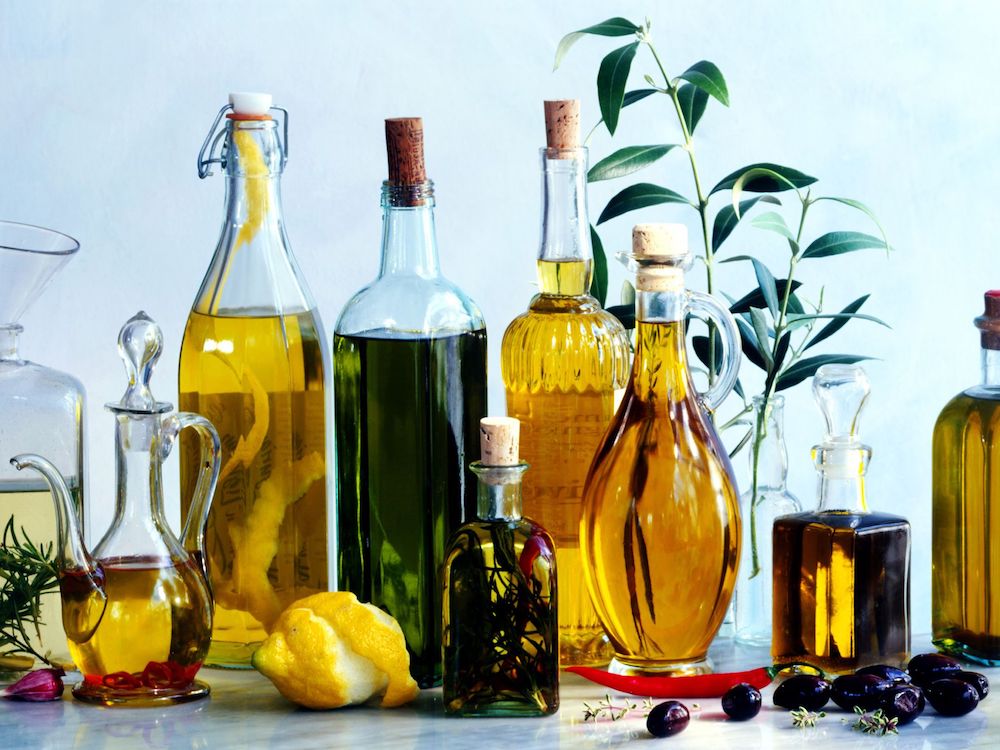
Olive oil, avocado oil, or coconut oil are good oils for cooking. When you buy these, make sure they are unrefined. The olive oil should say “cold pressed”. In recipes when it calls for vegetable oil, I use half coconut and half olive oil. I find that when I mix these the flavor of both is neutralized. In baking sweet breads I will use all coconut to add to the sweetness.
In cookies or recipes that call for crisco, I use butter, not margarine.
Let’s talk about butter real quick: The grass-fed real butter is best (Annnnnd I just heard you say it’s too expensive…). Confession: I generally save the grass-fed real butter—I like Kerrygold—for toast or on bread, like if we are “eating” the butter. Costco is a much better way to buy, and although the price has doubled in the last couple years, it is still cheaper than $4 at the grocery store.
For the cookie and cake recipes, I use an organic regular butter, not the Kerrygold.
**Simply put: Leave the crisco, vegetable oil and margarine on the shelf. Switch your recipes and habits to the healthier options and watch your health change.
What are Healthy Levels of HDL and LDL?
A healthy range of HDL is above 60mg/dL. Let me tell you, most people I see are WAY below this. As a general population, our diets and traditions of foods and health have dented our HDL for generations. And this affects our hearts, hormones and reproduction.
For your LDL, under 100 mg/dL is considered optimal, and under 130 mg/dL is near optimal. If you can balance these numbers together, then they will each fill their role and benefit your health. If you are looking to balance your cholesterol naturally, check out my natural cholesterol protocol, and always work with your doctor to track your numbers. You can learn more about HDL and LDL from MedlinePlus.