Living with gut trouble is no fun. This IBS protocol covers irritable bowel syndrome (IBS) and the natural ways I support the gut, along with some notes for those with inflammatory bowel disease (IBD) like Crohn’s and ulcerative colitis.
IBS vs. IBD: What Is the Difference?
IBS is a common condition that affects how the gut works. It can cause cramping, bloating, gas, diarrhea and constipation, but it does not damage the intestines.
IBD is different. It is a chronic inflammatory disease of the digestive tract, and the two main types are Crohn’s disease and ulcerative colitis (UC). With UC, inflammation causes sores, called ulcers, in the lining of the large intestine (the colon and rectum). Normally the large intestine absorbs water from stool and turns it from a liquid to a solid. In UC, the damaged lining can lead to bleeding, diarrhea and belly pain.
When to See a Doctor
IBD needs care from a doctor, and some IBS symptoms can point to something more serious. Please see your doctor if you have blood in your stool, black stools, unexplained weight loss, a fever, diarrhea that wakes you up at night, anemia, or a family history of colon cancer or IBD. The ideas below are meant to support your body alongside your doctor’s care.
What Can Trigger IBS?
Common triggers include food sensitivities, stress, and not enough fiber in the diet.
My IBS Protocol: The Basics
Food
Eating more plant foods helps many people. I focus on foods with healthy omega-3 fats like flax, hemp and fish, eat less refined flour and sugar, and remove foods you react to. Eat heaviest meal between 10AM and 2PM, stay away from cold uncooked food and cold drinks or a while.
Movement and Stress
Regular exercise helps calm anxiety and keeps the bowels moving. It is also important to deal with any stress that may be adding to the problem, because the gut and the mind are so closely connected.
16 Natural Ways to Support IBS
- Increase fiber-rich foods. Fiber helps some people with IBS and bothers others, so pay attention to how your body responds. Psyllium seed is a soluble fiber that many people with IBS do well with, and it helps keep bowel movements regular.
- Remove food sensitivities. Many people find that food sensitivities are behind a lot of their IBS symptoms like bloating, cramping, diarrhea and constipation. An elimination diet can help you find your triggers. Some people even notice their allergies, sinus trouble or skin issues improve too.
- Avoid milk and dairy. Lactose intolerance can be part of the problem. Avoiding lactose may calm symptoms.
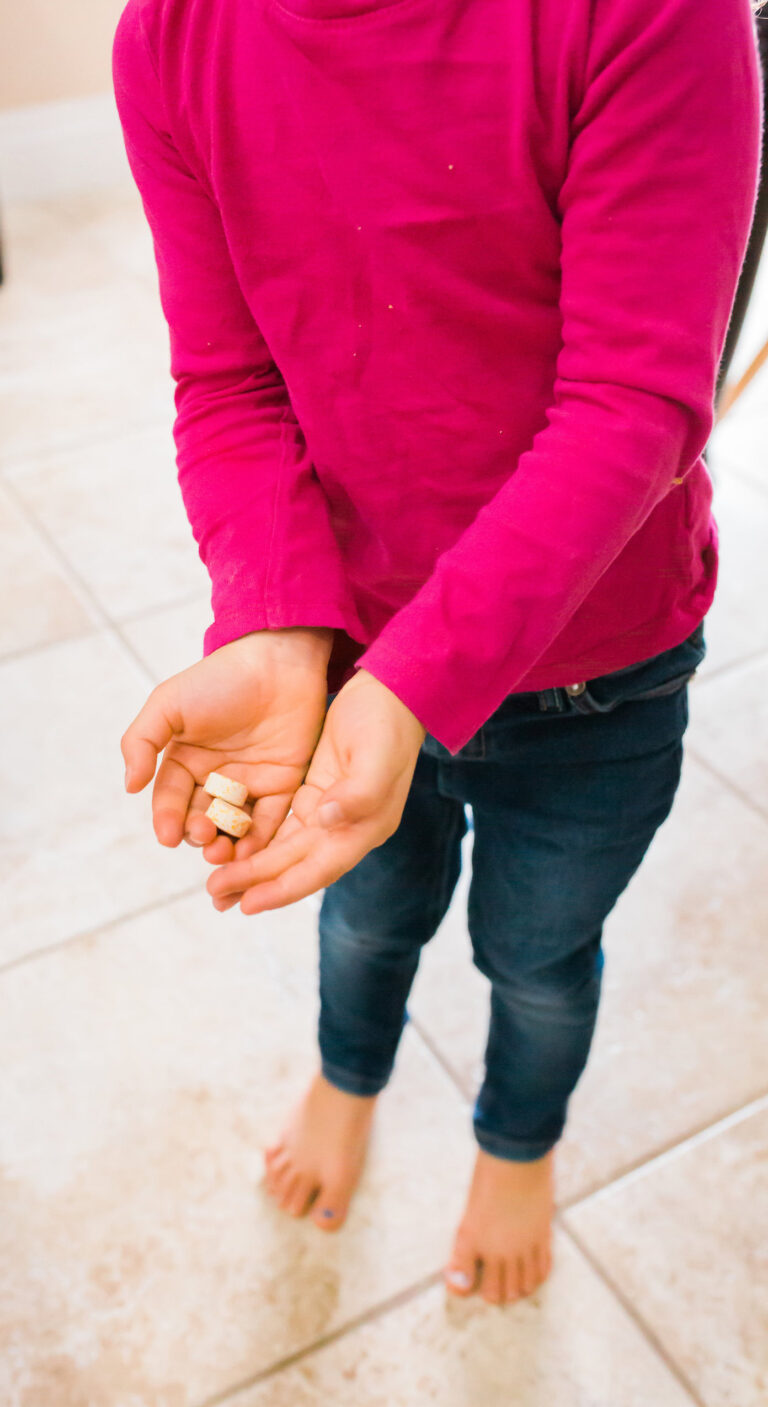
- Take enzymes with cooked food. I take a broad-spectrum plant-based digestive enzyme with meals. When food is not fully broken down, I believe it can act like a toxin in the body, and food sensitivities are one sign of that. I prefer plant-source enzymes over pancreatic enzymes.
- Take probiotics. Friendly bacteria help with digestion, and an imbalance in gut bacteria may be part of IBS. Studies on Lactobacillus probiotics have shown better gut function over time. I like a probiotic with more than one strain, and one that is shelf stable. And incorporate more fermented foods.
- Zinc. Low zinc levels are common in people with bowel inflammation, and zinc supports healing and immunity. I look for amino acid chelated minerals because they absorb well.
- Omega-3 and omega-6 fatty acids. Our bodies can not make these two essential fats, so they must come from food or supplements. They are needed to build cell membranes and make hormones, and getting a good balance of the two matters.
- Flax, hemp and fish. Eat flax seeds or oil, hemp seeds or oil, and deep sea cold water fish, or supplement with flax oil, hemp oil, fish oil, DHA or evening primrose oil.
- Grapefruit seed extract. A broad-spectrum antimicrobial that has been studied against H. pylori, a common cause of stomach ulcers. Some people with gut trouble report less constipation, gas and discomfort after a few weeks of using it.
- Avoid refined sugar and highly processed foods. These spike blood sugar fast, and that sugar can feed the unfriendly bacteria in the gut.
- Avoid caffeine. It can irritate the bowels for people with IBS.
- Glutamine. This amino acid helps support the lining of the intestines.
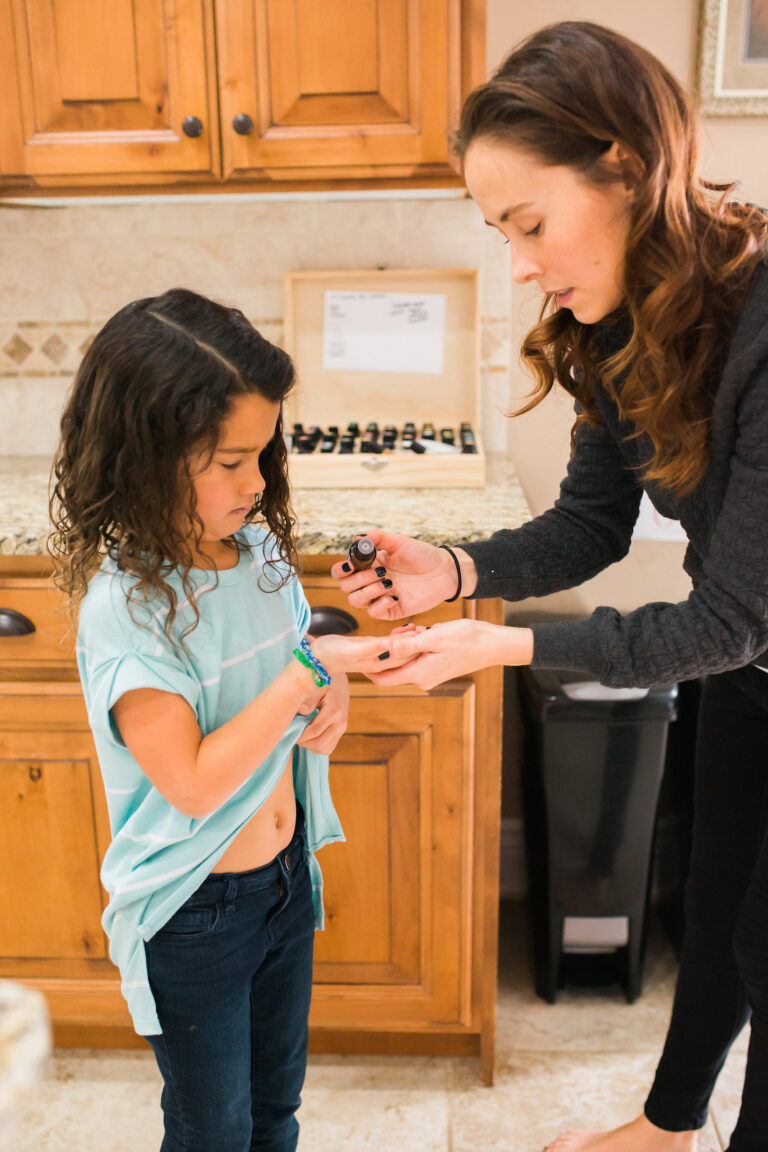
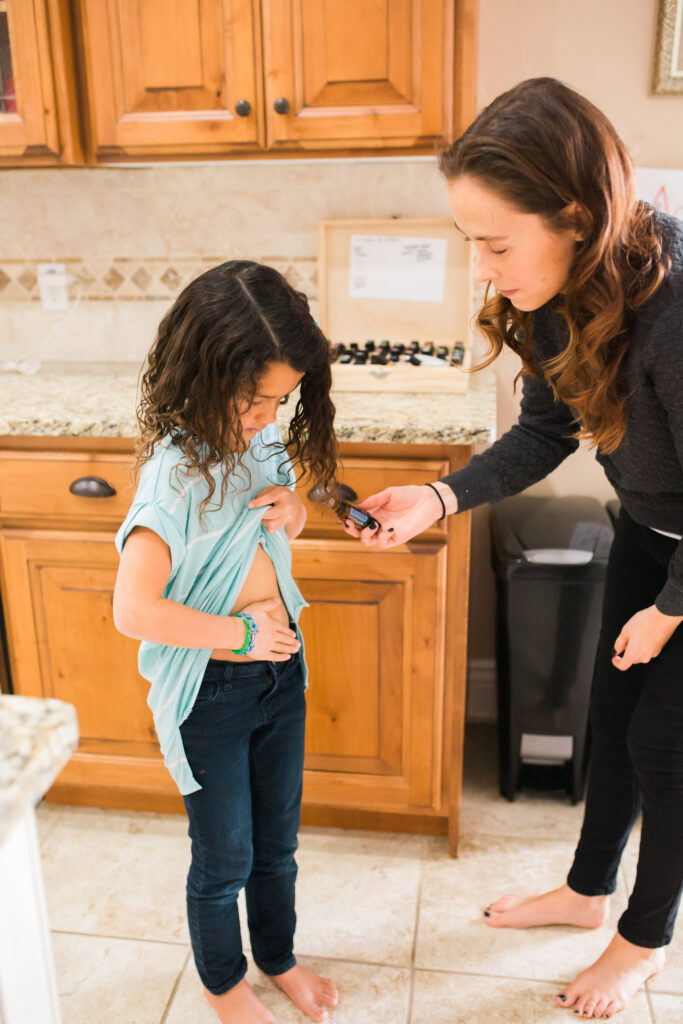
- Enteric coated peppermint oil. Peppermint oil has been studied in many clinical trials for IBS and can ease cramping and pain. Enteric coated capsules help it get past the stomach. You can also rub diluted peppermint oil on the belly. People with heartburn or reflux may want to skip it.
- Cat’s claw (root). Traditionally used to soothe irritated, inflamed tissue in the gut.
- Olive leaf extract. Known for its antimicrobial properties.
- Artichoke leaf extract. In studies, most people taking it for IBS said it was well tolerated and helped their symptoms.
My Supplement Routine for IBS
- Enzymes with each meal. If they cause any stomach upset, stop for a bit and let the probiotic work first. It usually takes 7 to 10 days for the good bacteria to settle in.
- Probiotic: 3 capsules in the morning and 3 at night.
- GX Assist (a gut cleanse that helps prepare the way for probiotics): 1 capsule right after breakfast, lunch and dinner.
- A green drink once a day, and/or look at micro green and sprouts.
Everyday IBS Tips
- Eat small, frequent meals.
- Drink plenty of water, at least eight 8 oz glasses a day.
- Cut out dairy if you are lactose intolerant, and gluten (wheat) if you are sensitive to it.
- Skip gassy foods if they bother you, like Brussels sprouts, barley, cabbage and beans.
- Avoid caffeine, carbonated drinks, and the sweetener sorbitol.
- Eat spicy foods only as tolerated.
- Exercise regularly to help ease stress and symptoms.
Shop the IBS Protocol
- GX Assist
- Probiotic
- Enzyme
- LifeLong Vitality (omega)
- Chlorophyll
- TerraGreens drink
- Olive Leaf
- Peppermint oil
- Fiber
- Zinc
This post shares my own experience and is not medical advice. IBS, Crohn’s and colitis should be diagnosed and monitored by a doctor. Please talk with your provider before starting supplements, especially if you take medications or are pregnant or nursing. *These statements have not been evaluated by the Food and Drug Administration. These products are not intended to diagnose, treat, cure, or prevent any disease.