 Fever, fever, fever. It is the dreaded moment when our kids feel hot under our hands. What do we do?! Here is my natural fever protocol, what I have learned about fevers, and how to know when it is time to call the doctor.
Did you know a fever is actually one of the body’s best tools? A fever is not the sickness, it is the body fighting the sickness. That is why my first rule is: do not panic over the number, and do not rush to break a fever just because it is there. If you can change your mindset on that one thing, you are headed in the right direction. Let me explain why…
Why the Body Makes a Fever
When the body gets sick, it raises its temperature above where it usually sits (around 98.6°F, though everyone is a little different). Research shows that higher body temperature helps the immune system work better and makes it harder for many viruses and bacteria to multiply. You can read more about this from the Cleveland Clinic.
This process takes a HUGE amount of energy and focus by your body. This is why you get tired and just want to sleep. Sleep helps the body do its work. It is also why kids often do not want to eat. That is ok! Do not force them to eat when they do not want to. The body knows what it needs. Once the fever breaks on its own, the appetite comes back, and that is when simple foods like bone broths and soups are best.
White Blood Cells and Fever
The other reason the body generates a fever is to help your white blood cells. These are the cells the body creates to fight off invaders, your first line of defense. There are several kinds and each one has a different job, but they all work to keep you healthy. A fever is like opening up and widening all the highways so the ambulance (white blood cells) can get to where they need to go quickly. This in turn helps you get better faster.
Every Body Is Different
 Everyone reacts to a fever differently. My kids would sometimes work up a fever at night and it would break in the morning, then come back the next night and do the same thing for a couple of days. Remember how much energy it takes? The body might need a break. Some get a fever that is high for a while and then is gone. However it presents itself, try not to freak out. Watch, care for them, and use the guidelines below.
When to Call the Doctor
A natural approach does not mean waiting it out no matter what. Please call your doctor or get care right away if:
- Your baby is under 3 months old and has a temperature of 100.4°F (38°C) or higher
- Your baby is 3 to 6 months old with a fever of 102°F (38.9°C) or higher
- Anyone has a fever of 104°F (40°C) or higher
- The fever lasts more than 24 hours in a child under 2, or more than 3 days in an older child or adult
- They are confused, seeing things, very hard to wake up, or have a stiff neck or bad headache
- They are having trouble breathing, have a seizure, or have a rash of tiny purple or red spots that do not fade when you press on them (call 911)
- They show signs of dehydration: no pee or wet diaper in 8 hours, no tears, a dry mouth, or they cannot keep fluids down
- A rash and a fever show up at the same time
- Your gut tells you something is not right. Trust it.
The American Academy of Pediatrics has a great guide on fevers in kids too.
My Natural Fever Protocol: What To Do
Stay home. When you have a fever, this is when you are most contagious. Keep the kids home from school and away from other kids to help stop the spread of sickness.
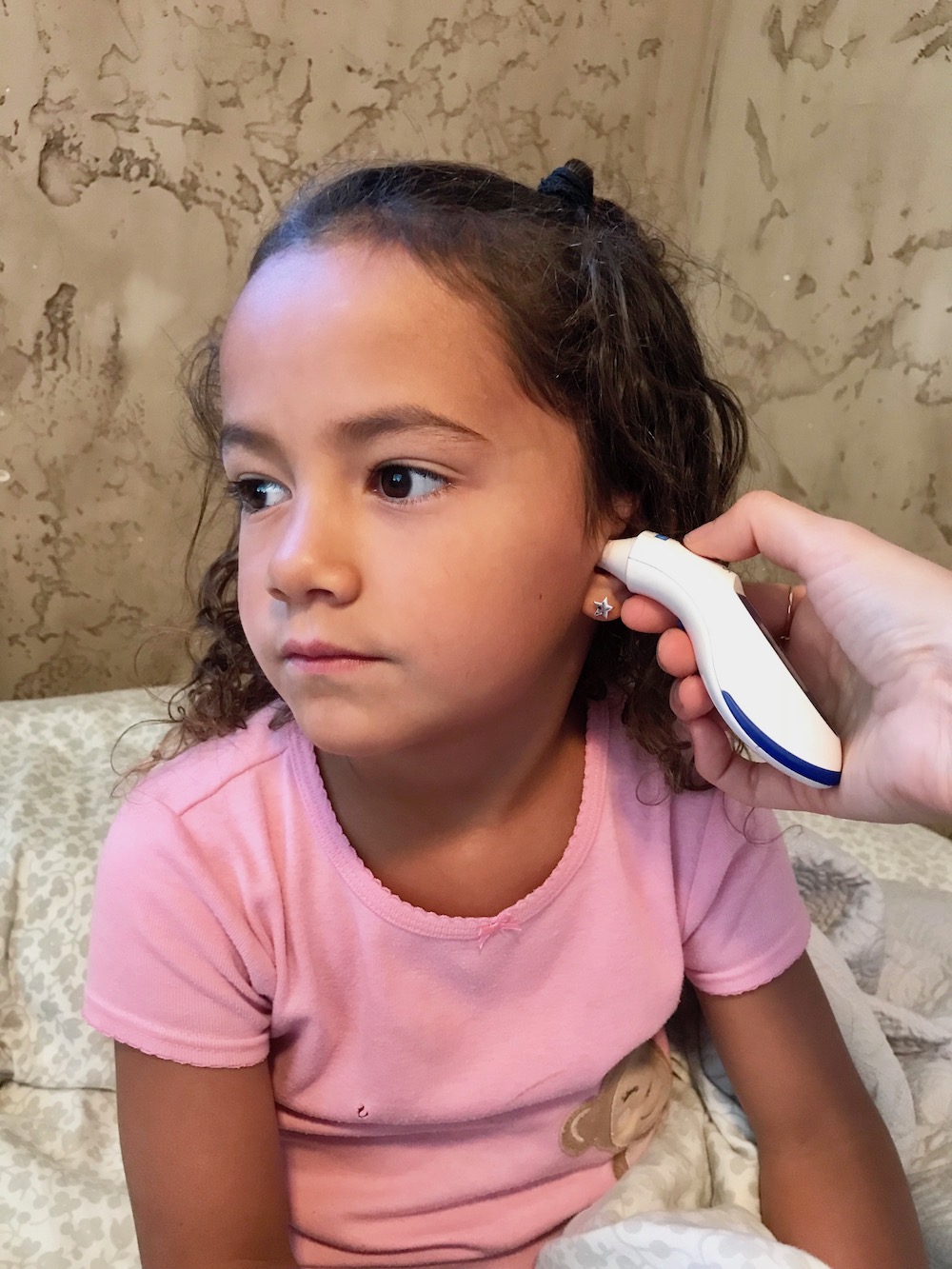
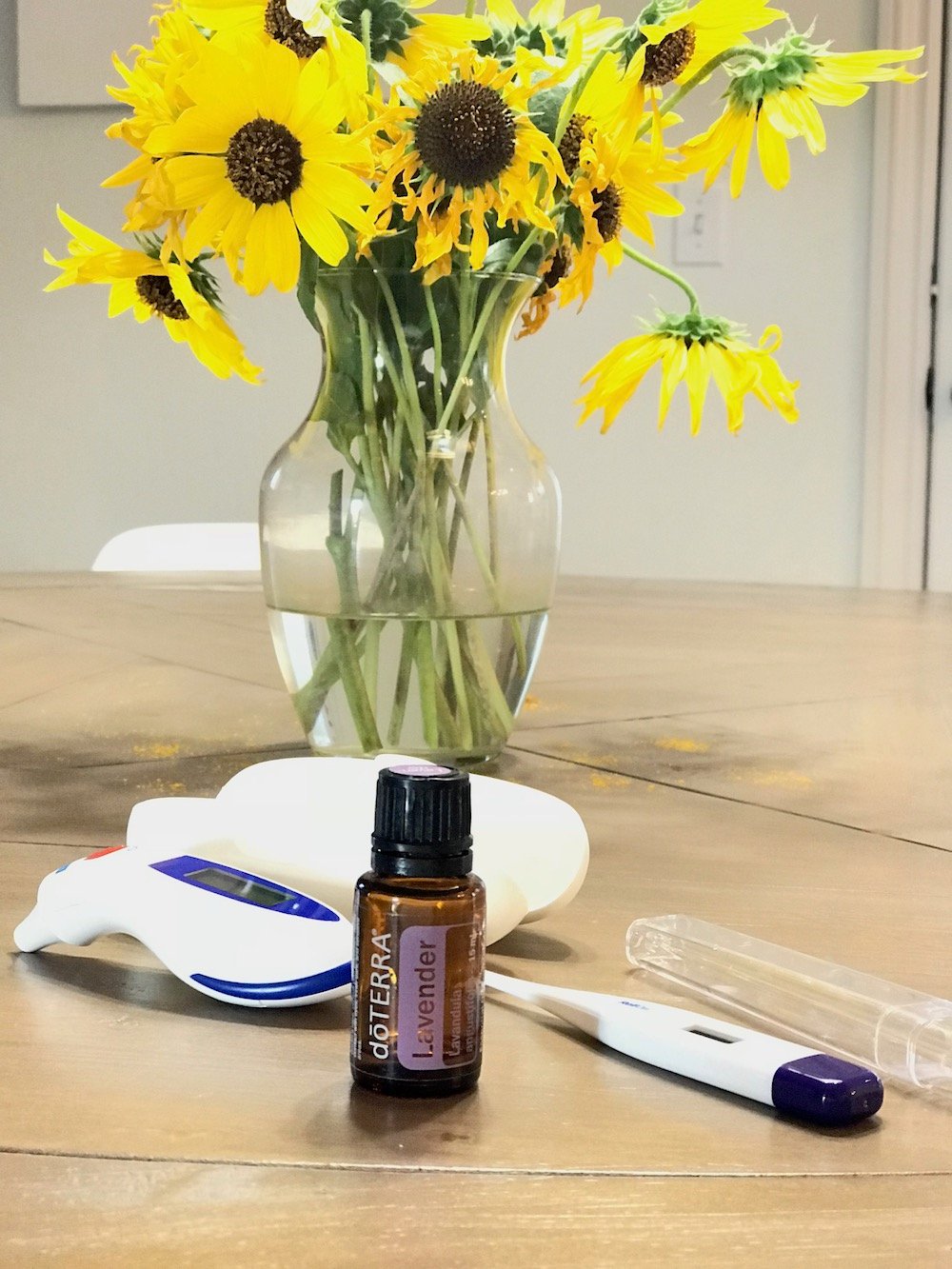
Use a thermometer. Feeling the forehead can tell you they are warm, but it is not accurate. Check with a good thermometer so you know the real number and can watch for the warning signs above.
Keep them comfortable. 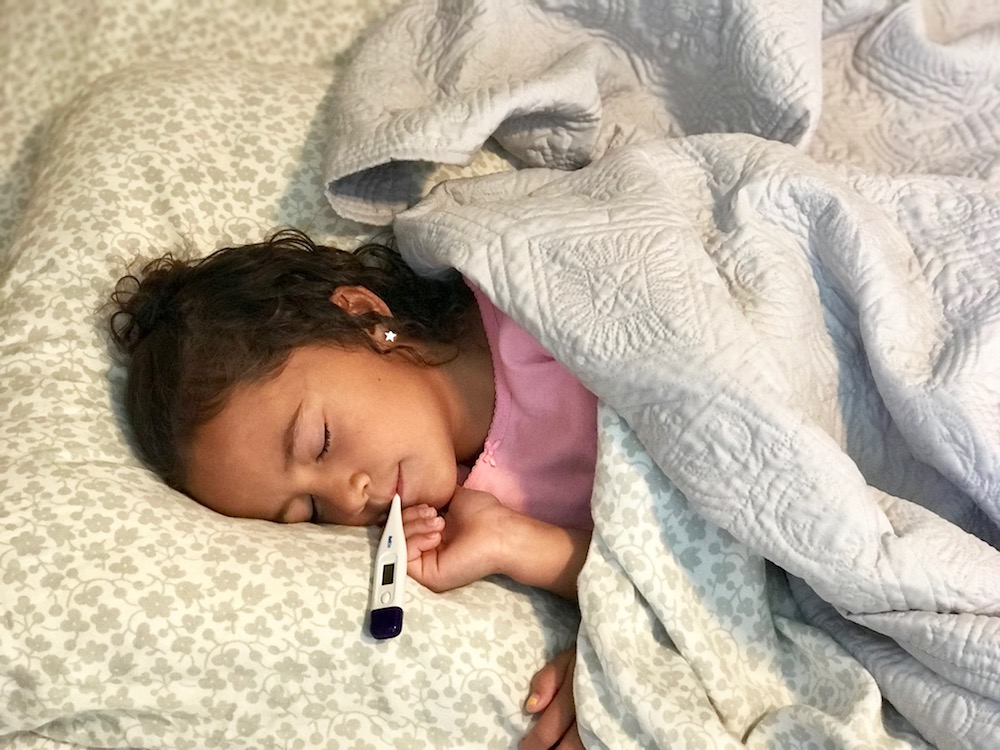 If they are uncomfortable, take off extra layers and wipe them down with a lukewarm (not cold) wet cloth. NO cold baths or ice.
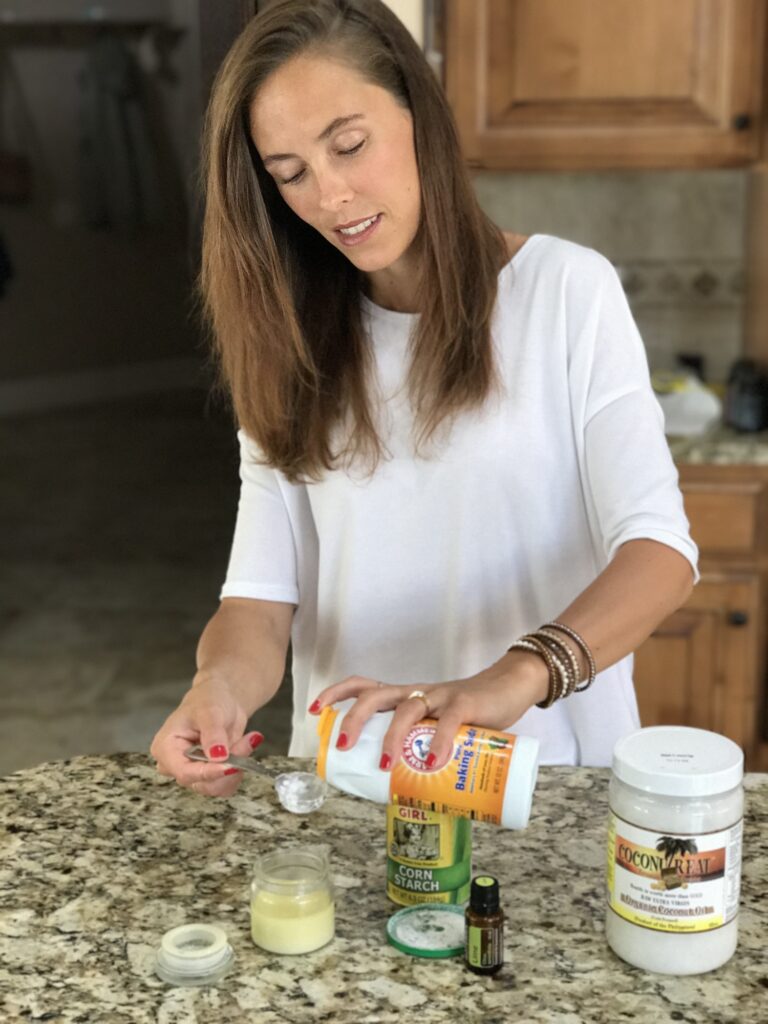
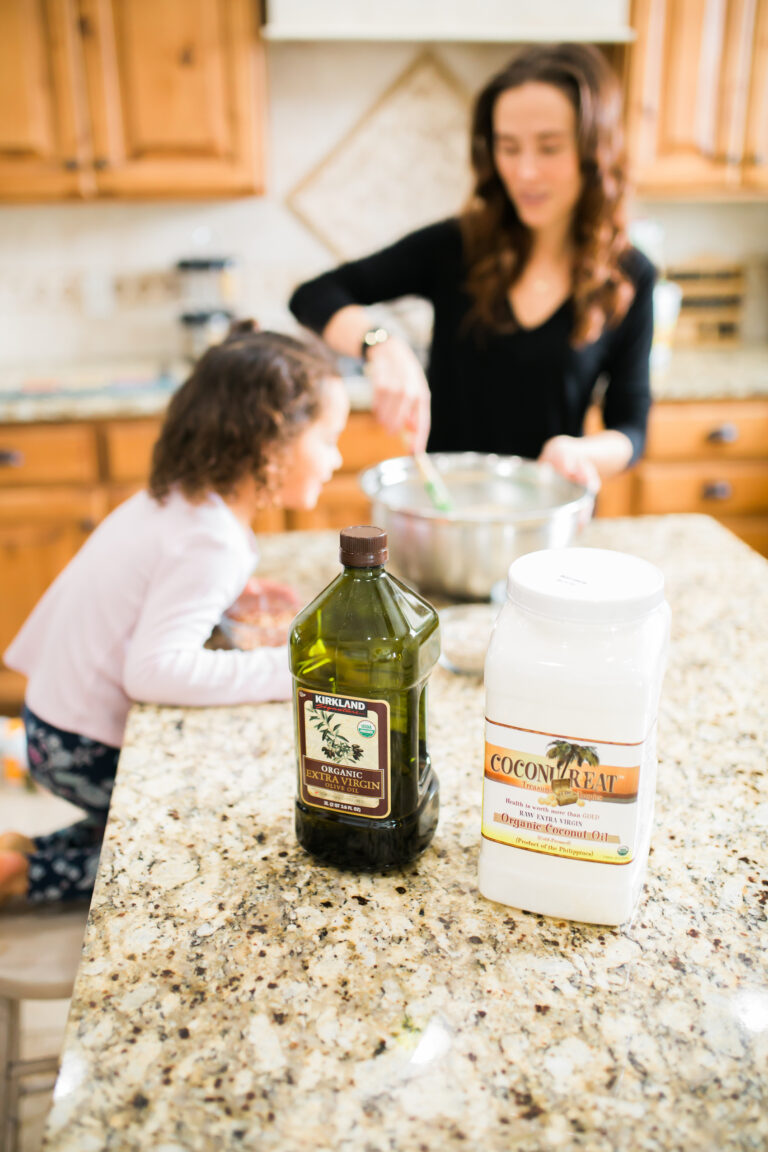
Use lavender. Rub a little lavender essential oil, diluted in coconut or olive oil, on their back and feet. It is calming and soothing. Skip peppermint for young kids.
Drink, drink, drink. I said do not make them eat, but you DO need to make them drink. Dehydration can land you in the hospital. Give small sips very often, because a lot at one time will usually come back up. Fresh juice in water, warm teas, and an electrolyte mix all help. For older kids and adults, you can make my homemade rehydration mix (print the label here).
Skip the junk. I stay away from sugar and dairy during a fever, and this especially means ice cream.
Support the immune system. I like warm herbal teas and tinctures, zinc and vitamin C.
That’s It!
Watch for the warning signs, keep them drinking, and let them rest. Keep them away from siblings and in the house and you will help stop the spread. Most of the time, when we let the body do its job, they get better and come out stronger. I hope this helps, and that you do not get fevers very often, but when they are little it seems a sure thing.
This post shares what has worked for our family and is not medical advice. Always check with your doctor or pediatrician about fevers, especially in babies and young children. *These statements have not been evaluated by the Food and Drug Administration. This product is not intended to diagnose, treat, cure, or prevent any disease.