Looking for an easy way to get protein? Nuts are a great solution! Natural nut butters are simple, filling and so versatile. Just make sure you choose the right kind, without the added sugars, hydrogenated oils and preservatives that add to your body’s chemical load.
How to Choose a Natural Peanut Butter
What should the ingredient list on your jar of peanut butter say? Peanuts. That is it! Maybe a little salt. If you see sugar, corn syrup or hydrogenated oils, put it back on the shelf.
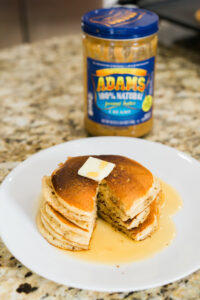
With natural peanut butter you have to stir the oil back in, but once you stir it well, it stays mixed. Storing the jar upside down for a day before opening makes stirring easier, and keeping it in the fridge after that helps it stay mixed. We like the creamy Adams brand for sandwiches and pancakes, and I use an organic peanut butter powder in shakes and oatmeal.
I prefer raw nuts over roasted when I can, because I believe raw nuts keep more of their natural enzymes.
Other Natural Nut Butters to Try
You can switch out peanut butter for almond butter, cashew butter or coconut butter. When the kids are dipping veggies or fruit, I choose almond butter. You can make all of these yourself in a food processor. Just make sure you buy nuts that are raw and unsweetened.
Homemade Coconut Butter
Coconut butter is made from whole coconut meat, so it is thick, creamy and naturally sweet. It is amazing spread on toast, drizzled on oatmeal, or used in place of butter as a spread. It can be pricey to buy, like coconut butter from the store, but it is so easy to make, so I recommend making your own!
What You Need
- 2 cups raw unsweetened coconut flakes (found at any health food store)
- A pinch of sea salt or Real Salt
- A food processor or high-speed blender
- A glass jar for storage
How to Make It
Place the coconut flakes in the food processor and blend until smooth, stopping to scrape down the sides as needed. It will go from shredded, to crumbly, to a thick, creamy butter in about 10 to 15 minutes. Add the salt, then store in your glass jar at room temperature. Coconut butter firms up when it is cool, so warm the jar in a bowl of warm water to soften it.
Homemade Almond Butter
Almond butter is a wonderful alternative to peanut butter and is so good in desserts and for dipping. It is easy to make, just like coconut butter.
What You Need
- 3 cups raw almonds
- A pinch of salt
- 1 1/2 Tbsp coconut oil, to keep it soft
- A food processor and a glass jar
How to Make It
Almond butter takes a bit longer than coconut butter. Place the almonds in the food processor and start blending! Keep blending for 20 to 30 minutes, stopping every five minutes to scrape down the sides and give your machine a rest. If you make a smaller batch to try it out, it will not take as long. Once it is smooth and creamy, add the salt and coconut oil and blend again. Store it in a glass jar in the fridge.
Tips for Natural Nut Butters
- Be patient. Homemade nut butter goes through a crumbly stage before it turns creamy. Keep going!
- Toasting is optional. Lightly toasting nuts makes them blend faster and taste richer, if you are not worried about keeping them raw.
- Flavor it. Try adding cinnamon, vanilla, a little honey or cacao powder.
- Storage: Natural nut butters can go rancid, so keep them in the fridge if you will not use them within a few weeks.
- Allergies: Always check before sharing with friends, and do not give whole nuts or thick spoonfuls of nut butter to babies and toddlers, since they can be a choking hazard.
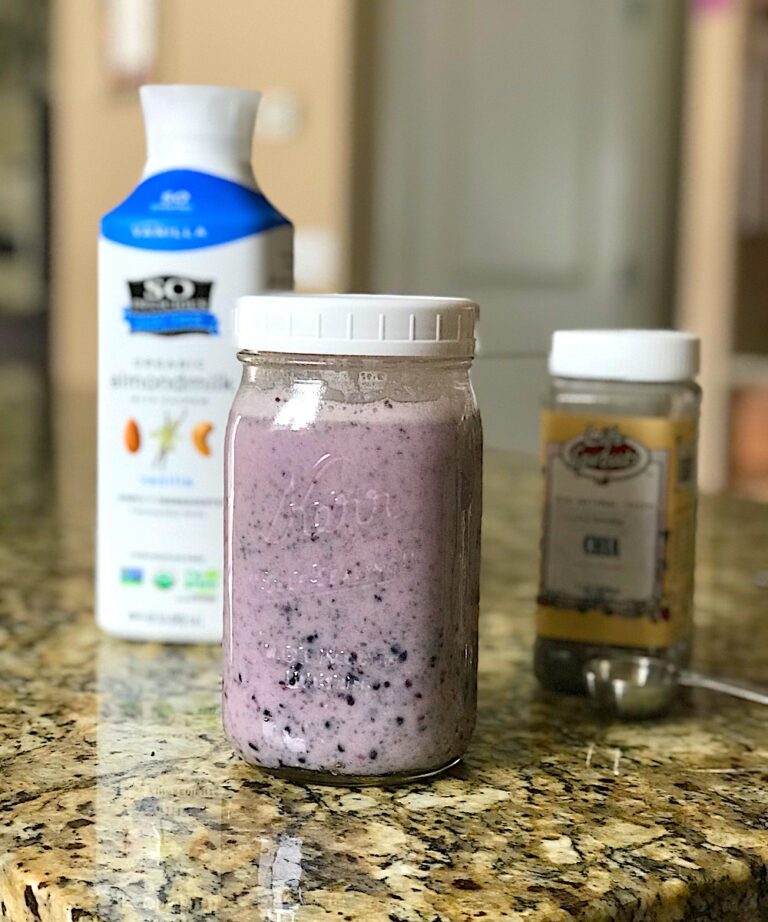
For more ways to use your natural nut butters, try them in my blueberry shake or my peanut butter cookie bites, and read more about organic protein choices.