Many of the clients I see have a hard time digesting and absorbing protein, even people who eat well and work out. That is why I want to talk about organic protein choices: which proteins are easier on your body, and what to look for in a protein powder.

Why Digesting Protein Matters
In the blood work I do with clients, I often see what looks like thick, sticky blood, and I believe poorly digested protein is a big part of that. Most of our diets contain plenty of protein, but if your body is not breaking it down well, it does not do you much good. In my experience this can leave people feeling tired and sluggish, and I will go into more detail on that in a separate post.
It is not about what you eat, but what you digest that matters.
Protein’s best friend is enzymes. Your body needs enzymes to break protein down, and the easier a protein is to digest, the less work your body has to do.
Organic Protein Choices: From Hardest to Easiest to Digest
There are a lot of good protein options. If you are going to eat meat, here is how I rank common proteins from hardest to easiest for the body to break down:
- Pork. I believe this is the hardest to digest, and many traditions consider it unclean. It needs to be cooked thoroughly because pork can carry parasites. Yes, this includes bacon, sorry!
- Beef. A bit easier than pork, but still takes a while to break down.
- Chicken. Easier on your system. Taking an enzyme with it is still best.
- Fish or Turkey. Getting easier here. These are the easiest protein choices in meat form.
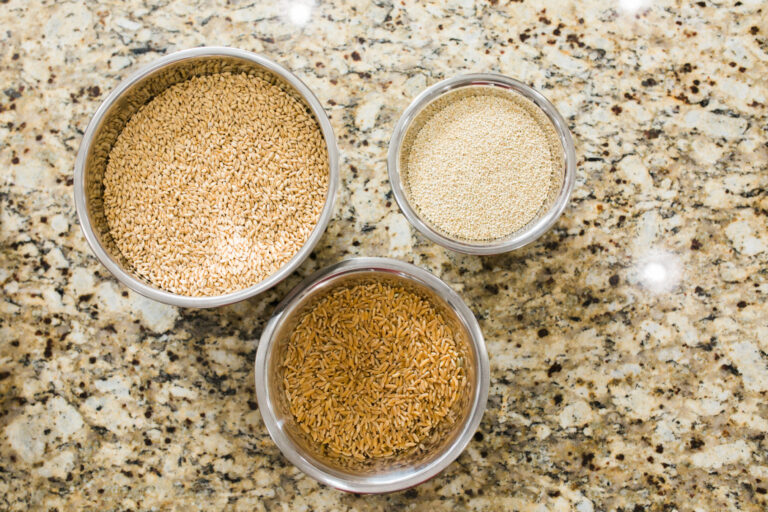
- Plant proteins. Soaked raw nuts, sprouted grains, green drinks, quinoa, amaranth, tofu and seaweed. These are your protein sources that do not come from animals. Amaranth and quinoa are both complete proteins, which is pretty amazing for a grain! Try my quinoa patties or my protein hot cereal.
This is not a complete list, but it shows the difference between a good choice and a best choice.
Tips for Better Protein Digestion
- Take an enzyme. Take a digestive enzyme about 20 minutes before your meal, or at least with it. Cooking food above about 118°F destroys its natural enzymes, so cooked proteins especially benefit from an enzyme.
- Buy organic and grass fed. When you can, choose organic and grass-fed meat to avoid added hormones and chemicals.
- Eat what you can absorb. If you think you need a lot of protein but your body is not absorbing it, more is not better.
Choosing a Protein Powder
When you choose a protein powder, look for the word “isolate.” An isolate has had most of the fat and carbs removed, so it is a purer protein that is often easier to digest. Most protein powders are made from whey (dairy) or eggs. People who are sensitive to dairy may not do well with whey, and those wanting a vegan or vegetarian option will want to skip the eggs.
So here are the plant-based ones I use. I always add greens to my shakes too. It is an easy way to get fruits and veggies into the kids. Try my dinner dessert blueberry shake.

Shop My Organic Protein Choices
- Dr. Schulze’s Organic Plant-Based Protein – 20.4 g protein per scoop
- Garden of Life Raw Organic Protein and Greens – 20 g protein per scoop (greens and protein together)
- V Shake – Not a protein supplement but a meal replacement to curb appetite, 7 g protein
- TerraGreens – Servings of fruits and vegetables
*These statements have not been evaluated by the Food and Drug Administration. These products are not intended to diagnose, treat, cure, or prevent any disease.