Have you heard of the blood type diet? I believe that cravings are our body talking to us about what it needs at that time. This is different than addiction talking. I am not saying that if you are addicted to something and keep wanting it, it must be good for you. A true craving usually comes with the words “I feel like…” and we should listen to that intuitive voice from our body. Did you know that some people believe certain foods are better or worse for your specific blood type? This fascinated me when I found it, because my diet had already changed on its own and I felt better, but I did not know why until I read about the blood type diet and saw my appetite had shifted toward what was recommended for me.
Blood Types Are So Fascinating
 Even though I faint at the sight of blood and needles, I love learning about the blood and DNA. Looking at the blood on a cellular level can tell you a lot about your health so far. Some people have even connected certain personality traits to each blood type, but that is a fun topic for a different post. Learning how to eat for your blood type may help your health and your overall sense of well-being.
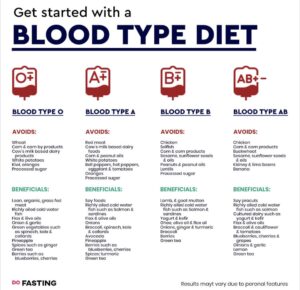
I first learned about this through articles by Dr. Lam, based on the blood type diet made popular by Dr. Peter D’Adamo in his book Eat Right 4 Your Type. Here is what it teaches for each blood type, in my own words, with links to the full food charts.
A quick note: this is a popular idea in natural health, but research has not shown that eating for your blood type works better than simply eating a healthy, whole-food diet. A 2014 study found the benefits people saw had nothing to do with their blood type. I still find it interesting and think it is worth listening to your own body.
Blood Type A
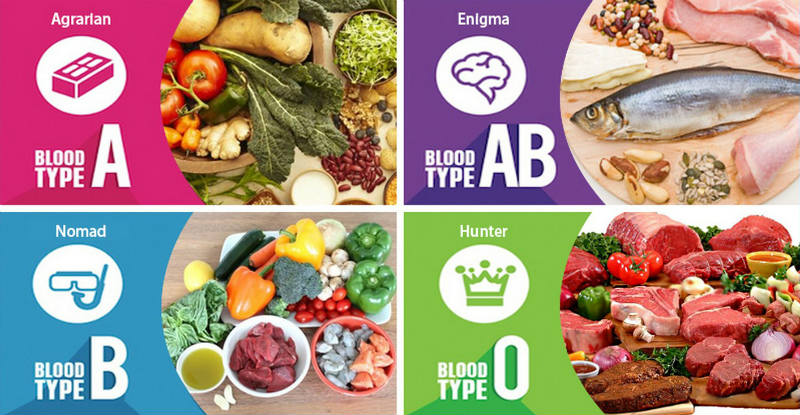
People with Type A blood are said to often have a harder time digesting meat. When meat is a big part of their diet, it can put more stress on the body, so a vegetarian diet is often recommended for Type A.
Eating vegetarian in a balanced way, with the right mix of nutrients, minerals and protein, can be tricky though. Knowing which foods help the most, which are fine in moderation, and which to avoid is the key to getting started. See the food chart for Type A and more detailed information for Type A.
Blood Type B
Type B is described as having a hearty constitution and an advantage against some common conditions like heart disease, but possibly more sensitivity to immune system issues.
The recommended diet for Type B focuses on balanced nutrition that nourishes every system in the body. It includes both animal and plant foods, but suggests avoiding some specific foods, like chicken and peanuts. See the food chart for Type B and more detailed information for Type B.
Blood Type AB
Type AB carries traits of both Type A and Type B, which makes eating right a little more of a balancing act. Type A tends to do better without meat and Type B is encouraged to eat it, so Type AB falls somewhere in the middle.
The guiding principle for Type AB is moderation. Some meat is good, but digestion may not handle a lot of it. Grains give needed energy and nutrients, but too many are said to throw off the body’s balance. It is also recommended to avoid foods that do not agree with the Type AB body. See the food chart for Type AB and more detailed information for Type AB.
Blood Type O
Type O is described as being uniquely suited to digesting animal protein, so the recommended diet includes plenty of meat, poultry and seafood. These proteins are thought to be used efficiently for energy and to keep the body’s systems running well. Gluten in many grains, on the other hand, is said to cause stress and imbalance for Type O.
Here are some of the traits often described for Type O:
- Does best on a high protein diet
- Thrives on intense physical exercise and animal proteins
- Does not do as well with dairy and grain products
- Has a hardy digestive tract and high stomach acid, so meat is easier to digest
- Gluten in wheat is seen as a leading factor in weight gain
- May lean toward lower thyroid hormone levels, which can affect metabolism and weight (always have your doctor check your thyroid if you have concerns)
See the food chart for Type O and more detailed information for Type O.
The Blood Type Diet and Listening to Your Body
Whether or not you follow the blood type diet, the biggest lesson for me is to listen to what your body is telling you. Notice how you feel after you eat, pay attention to your cravings, and fill your plate with whole, living foods. If you want to know your blood type, you can ask your doctor, check past lab work, or use a simple at-home test kit. For more on eating well, see my posts on probiotics and the purpose of enzymes.