Uric acid is a natural byproduct of our body’s chemistry. It is made when we break down food and build up body tissues, especially from compounds called purines. The problem starts when uric acid builds up in the body instead of being cleared out of the bloodstream, and uric acid crystals begin to form.
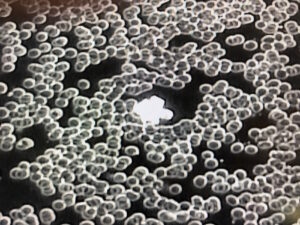
How Uric Acid Crystals Build Up
Uric acid builds up in one of two ways:
- The body makes too much of it.
- More commonly, the kidneys do not get rid of enough of it.
So I see this as mainly a kidney issue. When too much uric acid is stored in the joints, it causes painful inflammation known as gout, or acute gouty arthritis. It often shows up first in the big toe. Uric acid can also form kidney stones.
Signs of Uric Acid Crystals Building Up
High uric acid does not always cause symptoms right away. When it does, these are the most common signs to watch for:
- Sudden, intense pain in a joint, often the big toe, ankle or knee, and often at night
- Redness, heat and swelling around the joint
- Stiffness and a joint that feels tender to even a light touch, like a bed sheet
- Lumps under the skin near the joints, called tophi, after years of buildup
- Kidney stones
If you notice any of these, it is worth getting your uric acid checked and starting to support your kidneys.
What Raises Uric Acid?
Many things can raise uric acid levels, including:
- Extra body weight
- Drinking alcohol, especially beer
- Dehydration
- Lots of red meat and organ meats
- Sugary drinks sweetened with fructose
- Some medications
Foods to Limit
Eating fewer high-purine foods can help. These include liver and other organ meats like sweetbreads and beef tongue, red meats, and shellfish. Some people also limit peas, beans and lentils, although plant purines seem to be less of a problem than those from meat. Learn more about gout on MedlinePlus.
Stay Hydrated
Kidney health is key, and your kidneys can not do their job without water. Make sure you know how much water you need for your body weight. See my post on daily water intake and maintenance.
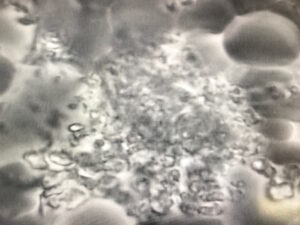
My Uric Acid Crystals Protocol
- Take enzymes. I use digestive enzymes with cooked meals, and between meals, which I believe helps the body break down crystals.
- Cleanse. I follow up with a kidney cleanse and a liver cleanse to help flush them out.
- Eat raw foods as much as possible, with lots of fruits and vegetables.
- Try cherries. A 2012 study found that people with gout who ate cherries had fewer gout attacks.
- Nourish the kidneys. Doing a kidney cleanse and nourishing the kidneys is how I work on the root cause. See the kidney cleanse post for a printable protocol and video tutorial.
When to See a Doctor
Gout attacks can be very painful, and high uric acid over time can damage the joints and kidneys. Please see your doctor if you have a hot, red, swollen joint, a fever with joint pain, or signs of kidney stones like severe back or side pain. Your doctor can check your uric acid with a simple blood test, and some people need medication to bring it down. Natural support can work alongside that care.
This post shares my own experience and is not medical advice. Talk with your doctor before starting a cleanse or new supplements, especially if you have kidney disease or take medications. *These statements have not been evaluated by the Food and Drug Administration. These products are not intended to diagnose, treat, cure, or prevent any disease.