
How many of us eat standing over the sink? The leftover crumbs from feeding the picky kids, in the car, or in between the kids and work and always on the go. Food becomes fuel and we shovel it in as fast as we can so we can get back to everything else. Intuitive eating is about changing that.
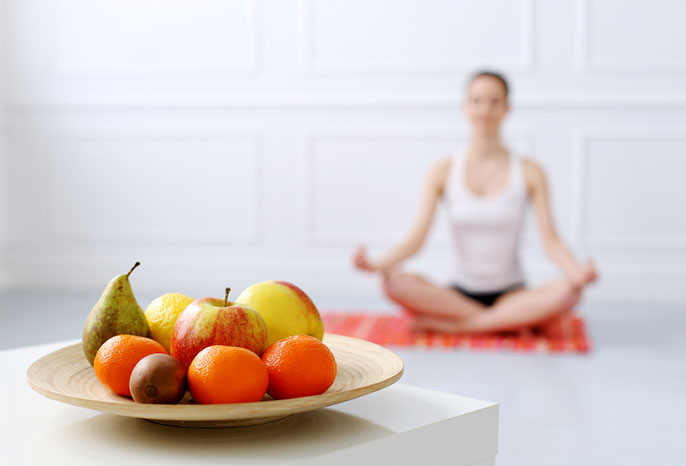
My eating habits have been shifting over the years. When my kids were little I started eating before or after them. Meaning…I would make dinner and then eat for 10 quiet minutes and then call them up or just feed them and wait till after they were all done. This gave me time to breath and simply feed myself.
I am slowing down, noticing more, and the kinds of food I reach for started changing on their own. When I started digging into why, I found there is a name for what I was drifting into: intuitive eating, also known as mindful eating.
In Human Design, I found there are ways each of us digest the best and one of them is calm. This is when someone needs less stimulation, taking 3 deep breaths and becoming present to calm the nervous system down before eating. There are some who digest well on the go and fast paced, so do you know what your body needs? Life is about getting to know yourself and tailoring everything to that- not about what the world says is good or healthy.
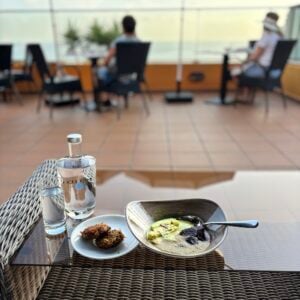
Recently I went on a trip to an Ayurvedic wellness retreat in Madeira. At meal times in the restaurant there were no phones allowed in the area. It was about getting your food, taking a seat and listening to the  ocean and the sounds around you, being present and quiet, taking time to feed yourself and make food your medicine. The food was made specifically for you and to balance your bodies energetics. I ate more that I had in years but lost weight at the end of the week with the inflammation going down.
If we are serious about our health, being more conscious about the choices of food and how you eat it are key. Find your human design, not all might need the calm way, but having more mindfulness can not be a bad thing.
In Ayurvedic food is mostly warm, broken down and easy to digest. Even fruit is cut and simmered to add on top of cereals. Small simple meals in the morning and at night, warm soups and spices. Your largest meal between 10am and before 2pm, at this meal is when you can add in cold/raw salads. This is when your digestive fire is strongest to digest these cold things.
If you look into what every culture eats for breakfast it is never a cold, sugary option. No smoothie, cold protein shakes, salads, or cold sugar cereal. They are nourishing simple meal to warm the body and get it going. Look at these options- a 5 grain hot cereal, topped with walnuts and honey, a rava Kesari Bath hot cereal from India, miso soup from Korea, Congee from China, healing rice pudding from Japan or an Ayurvedic Amaranth–Corn Porridge by Chef Gregor von Holdt
Ingredients
• Approx. 600 ml water — about 2½ cups
• 200 g amaranth — about 1 cup
• 50 g cornmeal (polenta) — about ⅓ cup
• 1–2 Tbsp raisins
• 2 Tbsp almonds, blanched and roughly chopped
• 1 small cinnamon stick
• ¼ tsp ground turmeric
• ½ tsp cardamom
• 1 Tbsp ghee
• Cane sugar, to taste
Alternatively, e.g. date syrup or coconut blossom sugar
Preparation
1. Add the amaranth to the water, add the cinnamon stick, and bring to a boil/heating.
2. Simmer for about 30 minutes. Watch the water and add more if needed.
3. Stir in the cornmeal (polenta) and let it come briefly to a boil.
4. Add the remaining ingredients and let it cook for about 5 minutes. Add more water if needed until you reach your desired porridge consistency.
5. Sweeten to taste with cane sugar.
Try this simple change of warm meals and herbal tea in the morning and see what it does for your gut. Wait until after 10 for any caffeine
Try this at your next meal
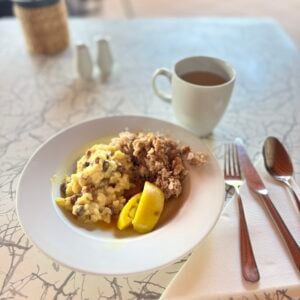 Grab something you love, take one bite… Now just chew. Slowly. No talking, no phone. Notice the salt, the garlic, the herbs, the texture, the warmth. Let that one bite have your full attention until it is completely gone. Then pick the fork back up and do it again.
That is it. That little pause between bites is the heart of intuitive eating, a practice with roots in Buddhist teaching that simply asks you to be present with what you are putting into your body. Instead of eating on autopilot to calm stress, you start to become aware of what you eat, when you eat, and why.
Intuitive eating is meditation on a plate
Weird? Maybe a little. But stay with me. When you meditate you sit somewhere quiet, focus on your breath, and keep bringing your mind back every time it wanders. Mindful eating uses that same muscle, your anchor is just your food instead of your breath.
You pay attention to how the food looks and smells- always smell first! Notice what your body does while you chew, and what feelings come up around eating. Most of us connect food with quick pleasure and fast consumption. But when you actually taste every layer of flavor, a calm settles in that is hard to describe until you feel it.
Let me talk energetics here for a second. The state you are in when you eat matters, the state the person is in that is making the food matters. In Korea they do a simple gratitude mantra right before they eat- just “Thank you for the food!”. Being in gratitude and simply clearing the food of any negative energies makes a difference.

Lets talk BENEFITS: Author Steven Roberts wrote about this in Eating Your Meditation, describing how eating mindfully supports better absorption, cell renewal, and being in sync with your environment. Research is backing it up too. Intuitive and mindful eating have been linked to less overeating and binge eating, healthier weight, less anxiety around food and body image, and better blood sugar habits for people managing type 2 diabetes. It is even used as a support tool in eating disorder recovery (alongside real professional care, never instead of it).
Being unconscious and distracted while eating is the main source of over eating. Being mindful will also help with the “stress” eating.
Intuitive Eating: 6 Simple Steps to Eat Mindfully
- Make eating its own event. We almost always eat while doing something else: TV, scrolling, reading, working, talking. Give the meal its own space. Find a quiet spot if you can. If there is noise around you (hello, kids), that is okay, just stay calm and keep coming back.
- Look and smell before you eat. So often we slip into half-conscious eating where the only goal is to fill the stomach. Stop and actually see your food: the colors, the shapes, the way it is arranged, how your plate is balanced. Acknowledge what you are about to take in.
- Give thanks. Saying a few words of gratitude before a meal changes the energy of both you and your food. Think of everyone who had a hand in it: the farmer, the baker, the truck driver, the grocer, and whoever cooked it (if that was you, thank yourself too!).
- Check in with how you feel. Before the first bite, notice what
 comes up. How does it smell? Are you excited? Starving? Anxious? Bored? Tapping into all your senses brings you fully into the present.
- Taste it. Really taste it. Chew slower, eat slower. As you chew, notice the flavors and textures and enjoy every bite. Chewing your food completely is also just better for digestion and for absorbing all those nutrients.
- Notice your body and emotions. Are you craving more? Already thinking about dessert? Not loving what is on your plate? Your body will tell you whether it is receiving the food with pleasure or not. Watch your breath too, it is a great clue for how comfortable you are. When your mind drifts (and it will), gently bring it back to the smells, flavors, and sensations.
You do not have to do all of these every time, they are some ideas of how to bring more mindfulness to your meals and making food your medicine and fuel.
What you will start to notice
 This does not take much effort at all. Practice intuitive eating even 5 to 10 minutes a day and you will start to see things like:
- Your food tastes SO much better because you are finally catching all the flavors you were missing.
- You feel full sooner and naturally eat what your body actually needs, which can support weight loss without a “diet.”
- A sense of patience, calm, and contentment spreads over you.
- Your meal becomes a little break from the craziness of the day.
- You slowly get pulled toward lighter, healthier, more nourishing food.
- You build a deeper connection with your body and start trusting what it is asking for.
Give Intuitive Eating a Try
Intuitive eating can shift a lot for you. Your cravings change, the amounts you eat change, and the types of food you want change. No rules, no counting, just paying attention. It is something good to be aware of, and I would love for you to try it at even one meal this week and see what shifts.
What to make this even more individual to you? Looking into your genetics, you can know what type of diet is for you (not dieting- which I do not believe in) but like vegetarian, carnivore, vegan etc. This way your are not just following fads and what others say is healthy, you actually KNOW what is best for your body. To know how you do with lactose, sugar, carbs, green foods, and meat. Check out the DNAcompany and do the test to see what kinds of food are for you.
=> Want to keep raising your vibration through what you take in? Check out Raise the Frequency of Your Water and Fats Are Good! Learning HDL and LDL.
This post was inspired by an article on mindful eating from Fractal Enlightenment.